
Articles in the Misc Category
Art, Headline »
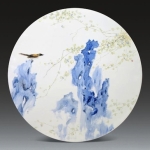
Life is limited, so life is all about to transcend time, and to resist the passage of time. We have comprehended this point in Heidegger’s philosophy. Therefore, as an existence, painting expresses ideas and emotions. It is meant to solidify the time in order to transcend time. Externalization of emotion is mental transcendence of flesh, and expression of idea is transcendence of spiritual world beyond material world. Both have to be accomplished through solidify the time. This relies on its material: canvas, paint, ink, or rice paper, etc.
Misc »

Known for their delicious food, stunning architecture and rich history, China is becoming an even more popular vacation destination with thousands of people flocking to see the great sites from The Great Wall of China to the Terracotta Army.
Besides the fragrant food and the historical landmarks, China is also home to Chinese Poker which is a popular variation of the internationally played gambling game.
Featured, Scenic Splendor of China »
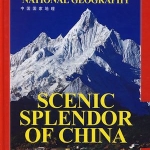
National Geographic is a worldwide famous magazine based in the USA. In China, there was a similar magazine. Its original name was “Geography Knowledge”. It was established in 1950 as a specialized magazine. But it was out of public awareness until October 2000, when it changed its name to “Chinese National Geography”.
Misc »

I am very happy to let you know that I was interviewed by Jessie at WanderingEducators.com (WE).
WE is a global community of educators, sharing travel experiences. The Editors at WE are an eclectic group of global and traveling educators, bent on sharing our passion for travel with like-minded individuals.
Misc »

Recently, this blog is getting lots of referring traffic from a website called ChinaOnTV.com. First, I appreciate its referrals. I couldn’t find out which page it referred me. Then I realize it is also a member of China Blog Network. So I got random referrals when people click the CBN widget on its Partner page.
After browsing the website, I think I should review briefly and introduce it to you.
 Yi Liu


